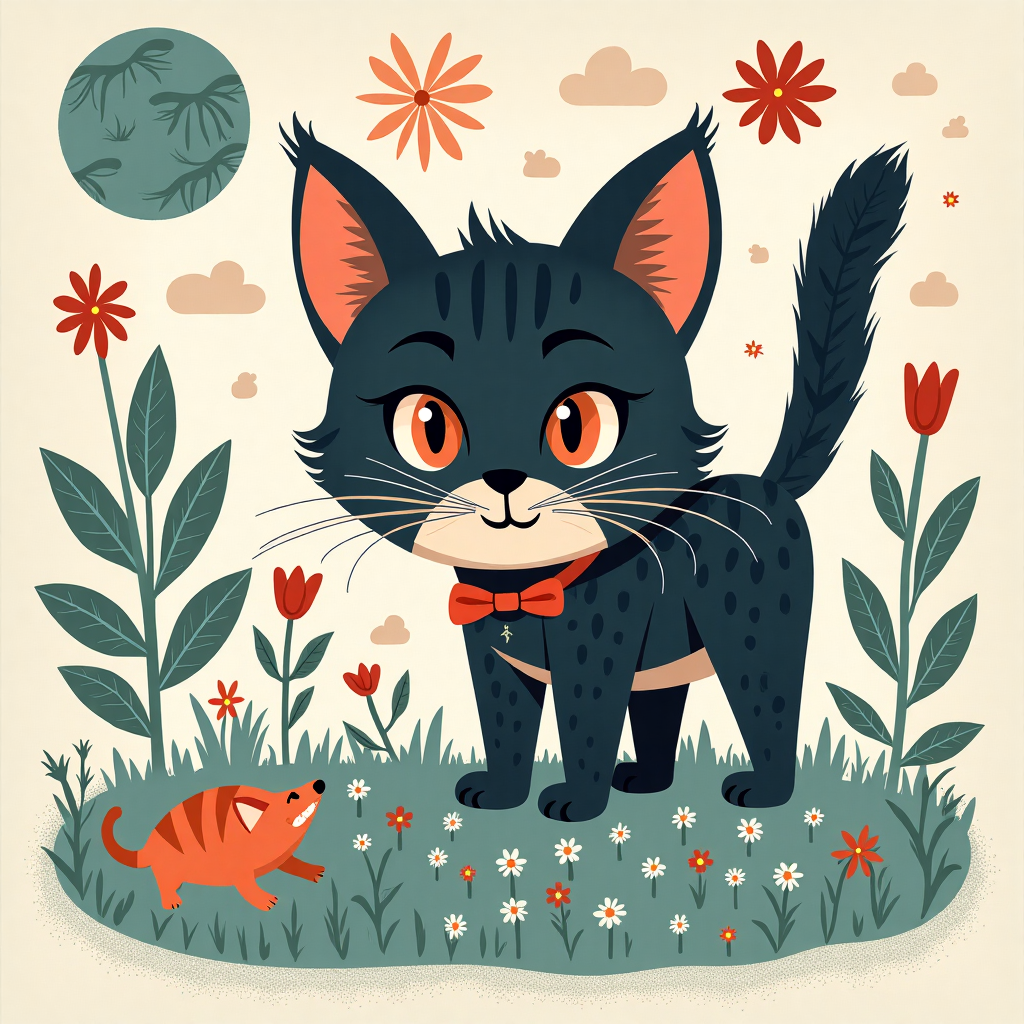
What Are Feral Cats?
Feral cats are a unique and misunderstood group of wild cats that have become domesticated in various parts of the world. These cats are not wild in a literal sense, but they have been allowed to roam freely in human-habited areas, often leading to conflicts with property owners and other wildlife. Feral cats are typically found in regions with indefinite daylight, such as Australia, South Africa, and parts of the United States, where they have adapted to human life without the constraints of wild environments.
Key Characteristics of Feral Cats
- Feral cats are closely related to domesticated cats, with many exhibiting traits of both wild and domesticated cats. They are intelligent, curious, and often social.
- These cats are known for their ability to survive in a wide range of environments, from arid deserts to dense forests.
- Feral cats are highly adaptable and have developed unique behaviors to thrive in human-settled areas, such as using human food sources and avoiding direct confrontation with owners.
Habitat and Behavior
Feral cats have a highly varied habitat range, which contributes to their success in both wild and domesticated environments. They are found in open grasslands, dense forests, and even urban areas where they have been domesticated.Feral cats are known to travel in small groups, often led by a dominant male known as the “alpha male.” This social structure helps them maintain dominance and control over resources.
Adaptations for Human Life
- Feral cats have developed shallow teeth and a unique jaw structure that allows them to gnaw on human food without damaging it excessively.
- They are excellent climbers and can even be found in tree cavities, where they are known to eat small animals trapped in birdfeeders.
- Feral cats are highly intelligent and can be trained to perform tasks, such as opening car doors or retrieving items, though this is rare in the wild.
Common Issues with Feral Cats
While feral cats are fascinating creatures, they can also pose significant problems for humans, particularly in areas where they have been domesticated. These issues often stem from the clash between feral cats and the cats that have been bred or imported into these regions.
Damage to Property and Infrastructure
- Feral cats are known to damage property, including gardens, yards, and even RVs parked in parking lots. Their teeth are strong enough to chew through soft materials, causing significant damage over time.
- In some cases, feral cats have been known to damage electrical wiring, causing power outages or fires.
- The accumulation of waste, such as cat food and urine, can lead to health problems for both the cats and the environment.
Interference with Other Wildlife
- Feral cats can disrupt the balance of ecosystems by preying on smaller animals, such as birds and small mammals. This can lead to the decline or even extinction of native species.
- In some areas, feral cats have been known to eat off-grid RVs, causing significant damage to their electronics and contents.
- The presence of feral cats can also scare away other wildlife, creating conflicts and harming biodiversity.
What to Do About Feral Cats?
Feral cats can be a problem for both property owners and wildlife managers. While it is tempting to simply trap and release them or even euthanize them, there are often better solutions to managing their populations. Understanding the root causes of their presence and taking proactive steps can help mitigate their impact.
Options for Managing Feral Cats
- trap-and-release programs can be effective in reducing the population of feral cats in certain areas.
- behavior modification programs can help feral cats learn to live more harmoniously with humans, reducing the need for trapping.
- creating “cat-friendly” environments, such as installing cat trees and feeders, can help feral cats feel more secure and reduce conflict.
Co-Habitation with Domestic Cats
- co-habitatting with domestic cats can help feral cats feel less isolated and more integrated into human society.
- training feral cats to respect human boundaries and property can reduce conflict and promote a coexistential relationship.
- in some cases, feral cats and domestic cats can coexist peacefully, especially in areas where they have both roamed freely for a long time.
The Debate: Should We Cull Feral Cats or Work to Coexist?
The question of whether to cull feral cats or to work to integrate them into human society is a contentious one. On one hand, culling can reduce the number of feral cats and prevent damage to property and wildlife. On the other hand, many believe that feral cats can be managed and coexisted with humans in a positive way.
Advantages of Culling Feral Cats
- Culling can significantly reduce the number of feral cats in a given area, eliminating the threat to property and wildlife.
- This approach is often more effective in areas where feral cats have been allowed to roam freely for an extended period.
- Culling can be seen as a more drastic solution, and some argue that it does not address the root causes of their presence.
Advantages of Coexistence
- Coexistence can lead to a more harmonious relationship between humans and feral cats, reducing conflict and improving public morale.
- Training feral cats to live in human settlements can help them feel more secure and improve their well-being.
- This approach can also lead to a more sustainable and long-term solution to managing feral cats.
Conclusion
Feral cats are a fascinating and misunderstood group of animals that have adapted to human life in ways that are both unique and problematic. While they can bring joy and curiosity to many people, they also pose significant challenges to property owners and wildlife managers. The key to managing feral cats lies in understanding their behavior and working to integrate them into human society in a way that is mutually beneficial. Whether through culling, behavior modification, or coexistence, the solution must address the needs of both feral cats and those who live alongside them.