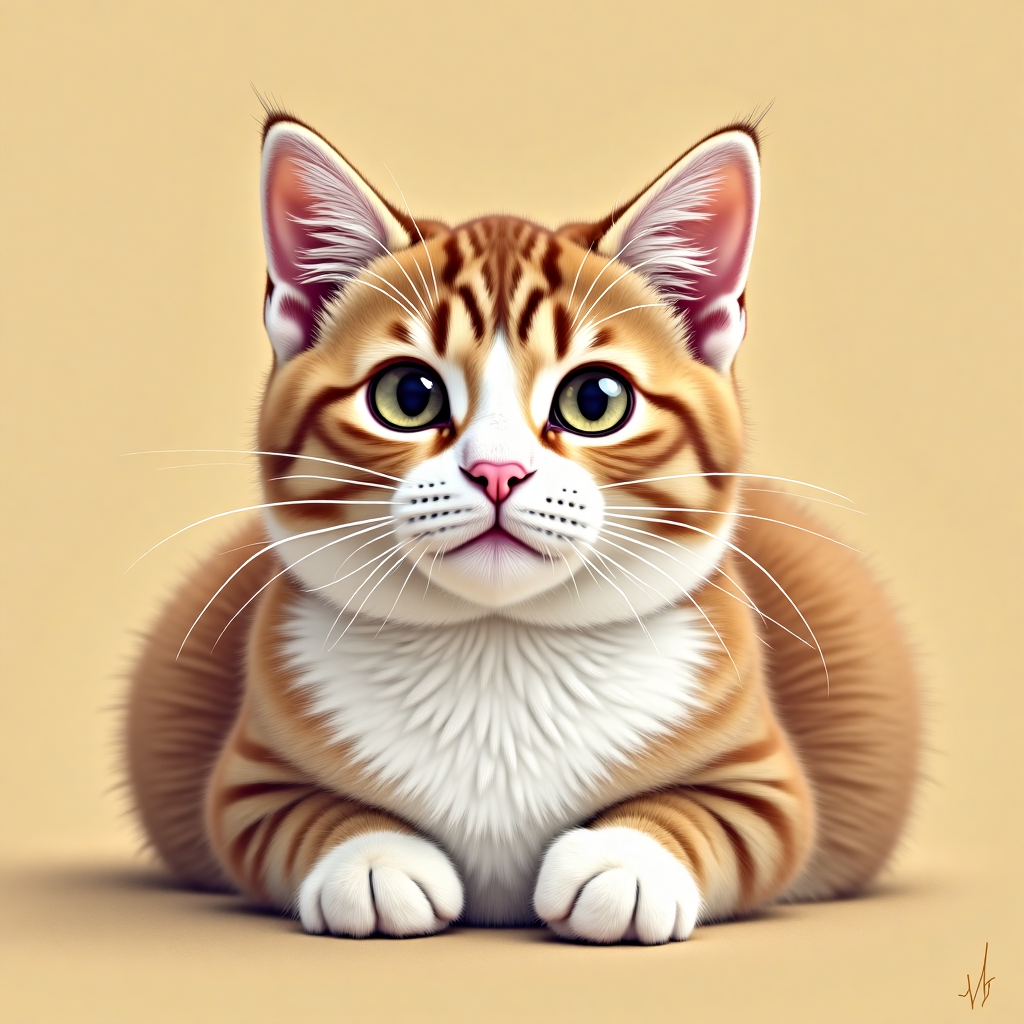
For many prospective cat owners, the image of a sleek, easy-care feline companion is incredibly appealing. Short hair cats, with their diverse looks, personalities, and famously low-maintenance coats, often top the list of desirable pets. They represent a vast array of breeds and domestic mixes, offering something for almost every lifestyle. But what exactly defines a short hair cat? Are they *truly* as easy to care for as their reputation suggests? And what should you consider before welcoming one of these sleek beauties into your home? This comprehensive guide delves into the world of short hair cats, exploring their characteristics, care needs, health considerations, and the unique joys they bring.
What Exactly is a Short Hair Cat?
At its core, a short hair cat is defined by the length of its fur. Unlike their long-haired cousins (like Persians or Maine Coons) or even medium-haired breeds, short hair cats possess a coat where the individual hairs are relatively short, typically lying close to the body. This gives them that characteristic sleek and smooth appearance. However, it’s important to understand that “short hair” isn’t a single breed; it’s a broad category encompassing numerous pedigreed breeds and countless domestic shorthairs (often affectionately called “moggies”).
Recognizing Short Hair Cat Breeds
Numerous popular cat breeds fall under the short hair classification. Some of the most well-known include:
- British Shorthair: Known for their dense, plush coat (often described as “crisp”), round faces, and sturdy bodies. The iconic “British Blue” is a prime example.
- American Shorthair: A versatile and hardy breed, often sporting a classic tabby pattern, known for their longevity and adaptable nature.
- Siamese: Sleek, elegant, and vocal, with a short, fine coat that highlights their distinctive color points (darker face, ears, paws, and tail).
- Bengal: Prized for their wild, spotted or marbled coat reminiscent of their leopard cat ancestry, combined with a domestic cat’s temperament.
- Abyssinian: One of the oldest known breeds, featuring a uniquely “ticked” coat where each hair has multiple bands of color, giving a warm, ruddy appearance.
- Russian Blue: Distinguished by their stunning blue-gray double coat, which has a silvery sheen, and their bright green eyes.
- Sphynx: While technically hairless, the Sphynx is often categorized with short hairs due to the very fine downy fuzz they may have, requiring similar skin care attention.
- Devon Rex / Cornish Rex: These breeds have unique, curly or wavy short coats due to a genetic mutation, giving them a distinct “poodle-like” or soft suede feel.
Beyond these pedigreed examples, the vast majority of cats in shelters and homes are Domestic Shorthairs. These are cats of mixed ancestry, not belonging to any specific breed, but all sharing that short, manageable coat. They come in every conceivable color and pattern, making them wonderfully unique individuals.
The Domestic Shorthair: A Celebration of the “Moggy”
The Domestic Shorthair (DSH) is truly the backbone of the feline world. Descended from cats that have naturally evolved alongside humans for thousands of years, they represent a diverse genetic pool. This often results in robust health and adaptable personalities. While they may not have the predictable traits of a purebred, DSHs offer an incredible range of temperaments, appearances, and quirks. Choosing a DSH from a shelter not only gives a deserving cat a home but often provides a wonderfully healthy and loving companion without the specific genetic predispositions some purebreds might carry.
The Appeal: Why Choose a Short Hair Cat?
The popularity of short hair cats isn’t accidental. They offer several compelling advantages that resonate with many cat lovers:
The Low-Maintenance Myth (Slightly Debunked)
It’s true! The primary draw is their significantly easier grooming needs compared to long-haired cats. While *no* cat is truly maintenance-free, short hair cats require far less brushing. A quick weekly session with a soft brush or grooming glove is usually sufficient to remove loose hair, distribute skin oils, and minimize shedding around the house. This is a major benefit for busy individuals, those with allergies (though no cat is truly hypoallergenic), or anyone daunted by the prospect of daily detangling sessions. However, it’s a myth that they *never* need brushing – regular grooming is still essential for skin health and reducing hairballs.
A Kaleidoscope of Personalities
Because the short hair category encompasses so many different breeds and mixes, the range of personalities is immense. You can find:
- Laid-back Lap Cats: Breeds like the British Shorthair or many DSHs are known for their calm, affectionate, and easygoing nature.
- Playful and Energetic Companions: Breeds like the Abyssinian, Bengal, or Siamese are often highly active, intelligent, and demand interaction and play.
- Quiet Observers: Some Russian Blues or certain DSHs might be more reserved, preferring to watch the world from a comfortable perch.
- Vocal Communicators: Siamese cats are famous for their loud, chatty nature, but many DSHs also develop unique ways of “talking” to their owners.
This diversity means there’s likely a short hair cat whose temperament perfectly matches your lifestyle, whether you seek a serene companion or an energetic playmate.
Less Shedding? Well, Manageable Shedding.
While all cats shed to some degree, short hair cats generally shed less *volume* of hair than long-haired cats simply because each hair is shorter. However, their shorter hairs can sometimes feel more prickly on furniture or clothing. Regular grooming (that weekly brush!) is key to managing this. Seasonal shedding still occurs, so expect a bit more hair loss during spring and fall. Using tools like rubber grooming brushes or deshedding tools during these times can be very effective.
Caring for Your Short Hair Companion
While their coats are easier, short hair cats require the same level of dedicated care as any other cat to thrive. Here’s what you need to know:
Grooming: It’s Not *Just* About the Fur
As mentioned, weekly brushing is recommended. This helps:
- Remove loose hair before it ends up on your clothes or furniture.
- Stimulate blood circulation and distribute natural skin oils for a healthy coat.
- Reduce the formation of hairballs, which can be a problem if the cat ingests too much loose fur during self-grooming.
- Provide a bonding opportunity and allow you to check for any skin issues, lumps, or parasites.
Bathing is rarely necessary for most short hair cats unless they get into something particularly messy, as they are generally excellent self-groomers. However, breeds like the Sphynx require regular bathing to remove oil buildup on their skin. Don’t forget other essential grooming tasks:
- Nail Trimming: Regular clipping (every few weeks) is important to prevent overgrowth, splitting, and damage to furniture or skin during kneading.
- Dental Care: Brushing your cat’s teeth regularly is the gold standard for preventing dental disease. Start young if possible, and use cat-specific toothpaste.
- Ear Cleaning: Check ears weekly for dirt, redness, or odor. Clean only if necessary using a vet-approved ear cleaner and cotton ball (never Q-tips deep in the ear canal).
Nutrition: Fueling a Healthy Life
Providing high-quality nutrition tailored to your cat’s life stage (kitten, adult, senior) is paramount. Look for foods where a named meat source (like chicken, salmon, beef) is the first ingredient. Ensure it meets AAFCO (Association of American Feed Control Officials) standards for complete and balanced nutrition. Consider factors like:
- Wet vs. Dry: Wet food provides valuable moisture, which is beneficial for urinary tract health. Dry food can be convenient and help with dental tartar. Many owners offer a combination.
- Portion Control: Obesity is a major health risk for cats. Measure food portions carefully and adjust based on activity level and body condition (consult your vet).
- Fresh Water: Always provide access to clean, fresh water. Consider a cat fountain, as many cats prefer running water.
Environmental Enrichment: More Than Just Food and Shelter
Cats need mental and physical stimulation to prevent boredom and stress-related behaviors. Essential elements include:
- Scratching Posts: Multiple sturdy posts (vertical and horizontal) in key locations allow cats to fulfill their natural scratching instinct and save your furniture.
- Playtime: Dedicate time daily for interactive play using wand toys, laser pointers (use responsibly, always end with a physical toy they can “catch”), or balls. This mimics hunting behavior.
- Vertical Space: Cat trees, shelves, or window perches allow cats to climb, survey their territory, and feel secure.
- Hiding Places: Cardboard boxes, cat tunnels, or covered beds offer safe retreats.
- Litter Boxes: The general rule is one box per cat plus one extra. Keep them clean, in quiet locations, and use a litter your cat prefers.
Health Considerations for Short Hair Cats
While generally robust, short hair cats, like all felines, are susceptible to certain health issues. Being aware is key to prevention and early detection.
Common Health Issues
Some health concerns can affect short hair cats broadly:
- Obesity: A widespread problem. Prevent with portion control, high-quality food, and regular play.
- Dental Disease: Gingivitis and periodontal disease are common. Regular vet checkups and dental care at home are crucial.
- Urinary Tract Issues (FLUTD): Including cystitis or blockages (more common in males). Symptoms include straining to urate, crying in the litter box, blood in urine, or urinating outside the box. Ensure good hydration and stress reduction.
- Parasites: Fleas, ticks, ear mites, and intestinal worms. Regular preventative treatments prescribed by your vet are essential.
- Hyperthyroidism: An increasingly common condition in older cats, causing weight loss despite increased appetite, hyperactivity, and vomiting. Diagnosed with blood tests.
- Chronic Kidney Disease (CKD): Another common ailment in senior cats. Regular blood and urine screening helps with early detection.
Breed-Specific Predispositions
Certain short hair breeds may have inherited tendencies towards specific conditions:
- Siamese/Oriental Breeds: May be prone to certain heart conditions (like mitral valve disease), crossed eyes (strabismus), and progressive retinal atrophy (PRA).
- Bengals: Can sometimes be predisposed to certain heart issues (like hypertrophic cardiomyopathy – HCM) and a condition called Bengal nose (snow nose). Responsible breeders screen for HCM.
- British Shorthairs: May have a slightly higher risk of certain heart conditions (HCM) and polycystic kidney disease (PKD), though reputable breeders screen for these.
- Sphynx/Devon Rex: Require special attention to skin care (bathing, sun protection) and may be prone to certain heart conditions (HCM) or hereditary myopathy.
The Importance of Regular Vet Checkups: Regardless of breed or mix, annual (or biannual for seniors) veterinary examinations are non-negotiable. Vaccinations, parasite prevention, dental checks, and blood work as recommended by your vet are vital for catching problems early and ensuring a long, healthy life. Pet insurance can also be a valuable investment.
Choosing Your Short Hair Feline Friend
Deciding to get a cat is a big step. When focusing on short hairs, consider these factors:
Kitten vs. Adult Cat
- Kittens: Require immense amounts of time, energy, and supervision for socialization, training, and play. They are adorable but demanding. Their personality is still developing.
- Adult Cats: Their personality is established, making it easier to find a good match for your lifestyle. They are often calmer, require less constant supervision, and many are already litter box trained. Adopting an adult cat from a shelter saves a life and often skips the most labor-intensive phase.
Purebred vs. Domestic Shorthair
- Purebred: Offers predictability in terms of appearance, size, and often temperament (based on breed standards). However, they can be expensive to purchase from reputable breeders and may have breed-specific health concerns. Ensure the breeder performs health screenings.
- Domestic Shorthair (DSH): Found abundantly in shelters and rescues. Less expensive to adopt. Offers incredible variety in looks and personality. Generally robust health due to genetic diversity. Adopting supports shelters and gives a second chance.
Finding a Reputable Source
- Shelters/Rescues: Excellent sources for DSH cats and sometimes specific short hair breeds. Staff can often provide insights into personality.
- Reputable Breeders: If seeking a specific breed, research thoroughly. A good breeder prioritizes health, temperament, and socialization. They will screen parents for genetic diseases, allow you to visit, ask you questions, and provide health guarantees. Avoid pet stores or breeders who seem more interested in profit than the cats’ welfare.
Consider Your Lifestyle: Be honest about your time, energy, living space, and budget. A highly active Bengal might not be ideal for a small apartment if you work long hours, while a laid-back British Shorthair or DSH could be perfect. Consider existing pets and children.
Conclusion: Celebrating the Sleek and Sensational
Short hair cats, in all their diverse glory – from the plush British Blue to the striking Bengal, the chatty Siamese to the unique Sphynx, and the endlessly varied Domestic Shorthair – offer a compelling combination of beauty, personality, and practicality. Their low-maintenance coats are a significant advantage for many owners, making grooming far less of a chore than with long-haired breeds. However, it’s crucial to remember that “low-maintenance coat” does not equate to “low-maintenance pet.”
Providing a loving, responsible home for any cat means committing to high-quality nutrition, regular veterinary care (including preventative measures like vaccinations and parasite control), essential grooming beyond just brushing (nails, teeth, ears), and a rich environment filled with opportunities for play, exploration, and security. Understanding potential health concerns, whether general feline issues or breed-specific predispositions, empowers owners to provide proactive care.
Whether you are drawn to the predictability of a specific breed or the wonderful surprise of a unique shelter cat, welcoming a short hair cat into your life promises years of companionship, amusement, and affection. By choosing responsibly, preparing your home thoughtfully, and committing to their lifelong wellbeing, you embark on a rewarding journey with a truly special member of the feline family.