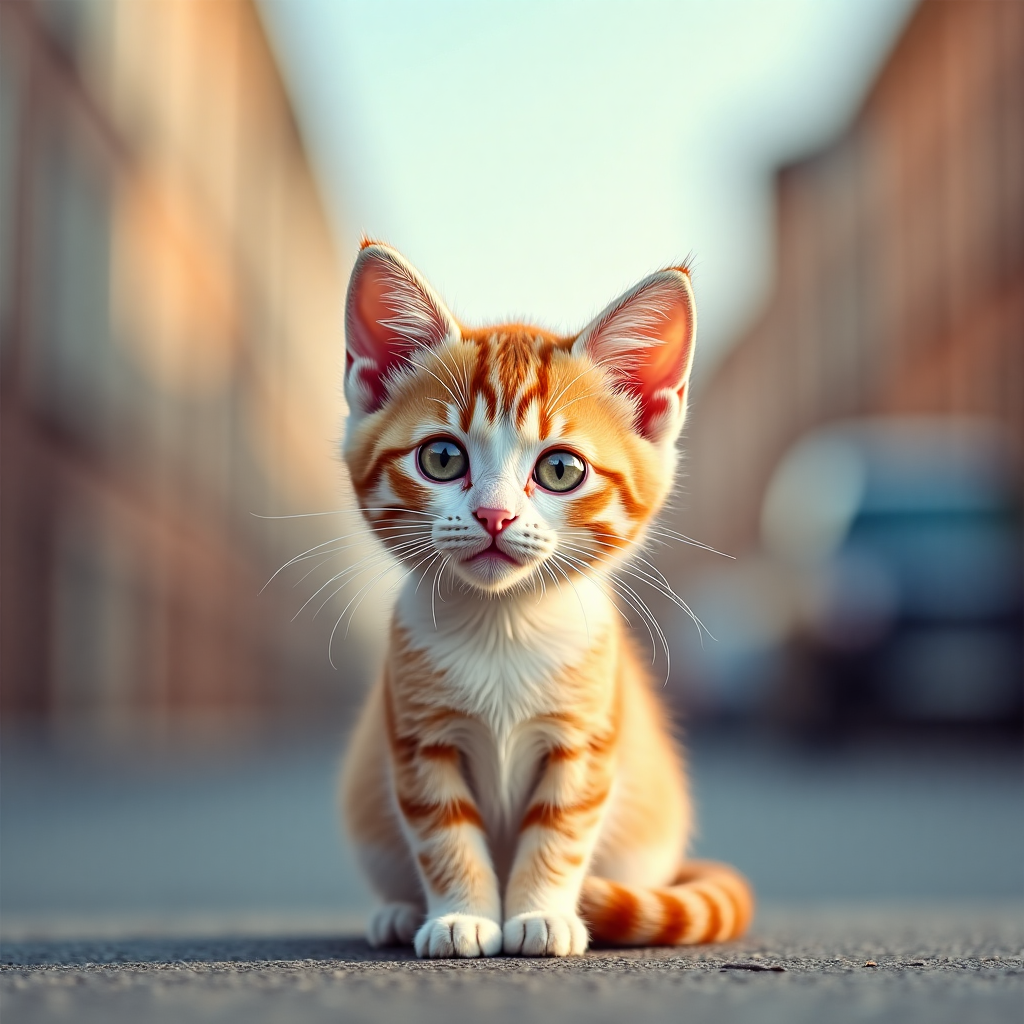
For centuries, cats have shared our homes and our lives. Yet, unlike dogs, their relationship with the outdoors remains a complex and often contentious topic. The image of a cat lazily basking on a sunny porch or prowling through the garden is deeply ingrained in our cultural perception of feline happiness. But beneath this idyllic picture lies a reality fraught with risks – for the cat itself, for local wildlife, and for the broader environment. The decision of whether to allow a cat outdoor access is one of the most significant choices a cat owner makes, carrying profound implications for the animal’s health, longevity, and impact on the ecosystem. It’s a decision that deserves careful consideration, moving beyond tradition to weigh the evidence and explore responsible alternatives.
The Allure of the Outdoors: Why Cats (and Owners) Are Drawn Outside
The desire to let cats roam free often stems from deeply held beliefs about their nature and needs. Understanding these motivations is crucial to addressing the dilemma thoughtfully.
Perceived Natural Instincts and Enrichment
Many owners believe that confining a cat indoors is unnatural, depriving them of the opportunity to express fundamental feline behaviors. Cats are indeed descended from solitary hunters. The outdoors offers a sensory smorgasbord:
- Sensory Stimulation: A constant stream of new sights, sounds, and smells provides mental engagement.
- Hunting Opportunities: The chance to stalk, chase, and pounce fulfills deep-seated predatory instincts, even if play is involved.
- Territorial Exploration: Cats are territorial creatures; roaming allows them to patrol and mark their perceived domain.
- Physical Exercise: Navigating varied terrain, climbing, and running provide physical exertion that can be harder to replicate indoors.
Owners often report seeing their cats appear more “content” or “fulfilled” after time outside, reinforcing the belief that outdoor access is essential for their well-being.
Owner Convenience and Tradition
Practical considerations also play a role. Some owners feel that allowing cats outdoors simplifies litter box maintenance. There’s also a strong element of tradition – “That’s just what cats do” is a common refrain passed down through generations. For cats adopted as strays or ferals, the transition to a strictly indoor life can feel particularly challenging, leading owners to compromise with supervised or limited outdoor access.
The Harsh Realities: Significant Risks Facing Outdoor Cats
While the outdoors holds allure, it is undeniably a dangerous place for domestic cats. The life expectancy statistics paint a stark picture: indoor cats typically live significantly longer (often 12-20 years) than outdoor cats (averaging just 2-5 years). This dramatic difference is due to a multitude of threats lurking beyond the doorstep.
Traffic and Accidents
One of the most common and devastating dangers is vehicular traffic. Cats, especially in urban or suburban areas, are frequently struck by cars. Their natural behaviors – darting across roads, lying on warm car engines, or hiding under vehicles – put them at constant risk. Even quiet residential streets are not safe. Accidents can also occur from falls (especially for curious kittens), entanglement in machinery, or becoming trapped in garages or sheds.
Disease and Parasites
Outdoor cats are exposed to a wide array of pathogens and parasites that indoor cats largely avoid:
- Feline Leukemia Virus (FeLV) and Feline Immunodeficiency Virus (FIV): These serious, often fatal diseases are primarily spread through bite wounds and close contact, common during fights between outdoor cats.
- Feline Infectious Peritonitis (FIP): While the exact transmission is complex, exposure to the ubiquitous feline coronavirus is more likely in multi-cat outdoor environments.
- Upper Respiratory Infections: Highly contagious viruses like calicivirus and herpesvirus are easily spread among outdoor cat populations.
- Parasites: Fleas, ticks, ear mites, and intestinal worms (like roundworms, hookworms) are readily picked up outdoors. Ticks can transmit diseases like Lyme disease (though less common in cats than dogs).
Vaccinations offer some protection but are not 100% effective, and regular exposure increases the risk exponentially.
Predation, Fights, and Human Threats
Cats can be both predators and prey. While they hunt smaller animals, they are vulnerable to larger predators like coyotes, foxes, birds of prey (especially kittens), and even loose dogs. Territorial disputes between cats are common, leading to painful bite wounds, abscesses, and the spread of disease. Sadly, outdoor cats also face intentional harm from some humans – poisoning, shooting, or trapping. Theft is another risk.
Environmental Hazards
The outdoors presents numerous environmental dangers:
- Toxins: Antifreeze (lethal and appealingly sweet), pesticides, rodenticides, fertilizers, and toxic plants (like lilies) pose significant poisoning risks.
- Extreme Weather: Cats can suffer from heatstroke, frostbite, or hypothermia. They may seek shelter in dangerous places during storms.
- Getting Lost: Cats can wander far from home, become disoriented, trapped, or simply unable to find their way back.
The Ecological Impact: Outdoor Cats as Invasive Predators
The risks to the cats themselves are compelling, but the impact of free-roaming domestic cats on wildlife is profound and scientifically well-documented. Domestic cats are highly effective non-native predators, contributing significantly to biodiversity loss.
A Devastating Toll on Wildlife
Studies consistently show that free-roaming cats kill billions of birds, small mammals, reptiles, and amphibians annually. Even well-fed cats retain their hunting instincts and will kill prey. This predation has severe consequences:
- Species Decline: Cats contribute to the decline and even extinction of vulnerable native species, particularly ground-nesting birds and small mammals on islands or in sensitive ecosystems.
- Disruption of Ecosystems: Removing key prey species disrupts food chains and can have cascading effects on plant life and other predators.
It’s crucial to understand that this impact is not limited to feral cat colonies; owned outdoor cats contribute significantly to the problem.
Competition and Disease Transmission to Wildlife
Beyond direct predation, outdoor cats compete with native predators (like foxes, owls, hawks) for food resources. Furthermore, they can transmit diseases to wildlife populations, such as toxoplasmosis (which can be fatal to marine mammals and marsupials like koalas) and other parasites, creating additional ecological pressures.
Legal and Ethical Considerations
The issue of outdoor cats extends into the realms of law and community responsibility.
Local Ordinances and Leash Laws
Increasingly, municipalities are enacting ordinances related to free-roaming cats. Some areas have outright bans or require cats to be leashed when outdoors, similar to dogs. Many places hold cat owners responsible for any damage or nuisance caused by their pets off-property, including predation on wildlife or trespassing. Ignorance of local laws is not a defense.
Responsible Pet Ownership
Ethically, pet ownership carries responsibilities. This includes protecting the pet from harm (as outlined in the risks above) and preventing the pet from causing harm to others (wildlife, neighbors’ property, other pets). Allowing a cat to roam freely can be seen as neglecting these responsibilities.
Impact on Neighbors
Outdoor cats can cause significant nuisance to neighbors. Common complaints include:
- Defecating and urinating in gardens, sandboxes, or on property.
- Digging in flower beds.
- Fighting with or harassing resident pets.
- Killing songbirds or other desirable wildlife in the neighborhood.
- Spraying to mark territory.
These issues can lead to neighborhood conflicts and resentment.
Finding a Middle Ground: Safe Alternatives to Free Roaming
Recognizing the risks doesn’t mean cats must be condemned to a dull indoor existence. Numerous safe alternatives allow cats to experience the outdoors without the dangers of unrestricted roaming.
Creating a Stimulating Indoor Environment
The foundation of a happy indoor cat is a rich environment. This involves:
- Vertical Space: Cat trees, shelves, and window perches allow climbing and observation.
- Interactive Play: Daily sessions with wand toys mimic hunting behavior.
- Puzzle Feeders and Toys: Stimulate the mind and encourage natural foraging instincts.
- Scratching Posts: Provide essential scratching outlets in various orientations (horizontal, vertical, angled).
- Sunny Spots and Window Views: “Cat TV” – watching birds and squirrels – provides entertainment. Ensure windows are secure!
Supervised and Contained Outdoor Access
Several methods allow cats to safely experience fresh air and nature:
- Catios (Cat Patios): Enclosed structures attached to a house or window, ranging from small window boxes to large, elaborate runs. These provide safe access to the outdoors.
- Secure Outdoor Enclosures: Freestanding structures in the yard, fully enclosed with cat-safe mesh.
- Harness and Leash Training: With patience and positive reinforcement, many cats can be trained to walk on a leash for supervised outdoor excursions. This requires constant human supervision.
- Supervised Time in a Fenced Yard: Only viable if the yard is completely escape-proof (e.g., specialized cat fencing like Purrfect Fence) and the owner is present.
These alternatives provide the sensory benefits of the outdoors while mitigating the vast majority of risks.
Making the Transition: From Outdoor to Indoor Life
Transitioning an adult cat accustomed to the outdoors to a strictly indoor lifestyle requires patience and planning.
Gradual Approach and Environmental Enrichment
Sudden confinement can be stressful. Start by gradually reducing outdoor time while simultaneously ramping up indoor enrichment. Make the indoors more appealing than the outdoors:
- Introduce new toys and rotate them regularly.
- Install cat trees and shelves near windows.
- Use catnip, silver vine, or pheromone diffusers (like Feliway) to create a calming environment.
Addressing Behavioral Challenges
Some cats may exhibit frustration initially, such as door-dashing, excessive vocalization, or scratching. Address these with:
- Positive Reinforcement: Reward calm behavior and using indoor enrichment.
- Redirected Energy: Engage in vigorous play sessions before times when the cat typically asks to go out.
- Ignoring Attention-Seeking: Do not reward demanding meows or door-dashing with attention (positive or negative).
Consulting with a veterinarian or certified cat behavior consultant can be invaluable during this transition.
Conclusion
The question of whether to allow a cat outdoor access is complex, balancing perceived feline desires against undeniable risks and responsibilities. While the outdoors offers stimulation, it comes at a potentially catastrophic cost to the cat’s health and longevity, and poses a significant threat to local wildlife populations. The evidence overwhelmingly supports keeping cats indoors or providing strictly supervised, contained outdoor access as the safest and most responsible choice.
Modern cat ownership demands moving beyond tradition. By creating enriching indoor environments and utilizing safe alternatives like catios and leash training, we can fulfill our cats’ needs for exploration and sensory engagement while protecting them from harm and safeguarding the environment. Choosing containment is not a deprivation; it is a profound act of love and responsibility, ensuring our feline companions live longer, healthier lives while respecting the delicate balance of the ecosystems we share. The decision we make for our cats ultimately reflects our commitment to their welfare and our role as stewards of the natural world.