When it comes to food storage, we all want the best solution for keeping our meals fresh, convenient, and safe. However, with the growing awareness of environmental issues, many people are now seeking eco-friendly alternatives to traditional plastic products. Beeswax wraps and cling film are two popular options that have gained attention in recent years. In this article, we will explore the differences between these two products, their benefits, and how they stack up against each other in terms of sustainability, usability, and cost.
Understanding Beeswax Wraps and Cling Film
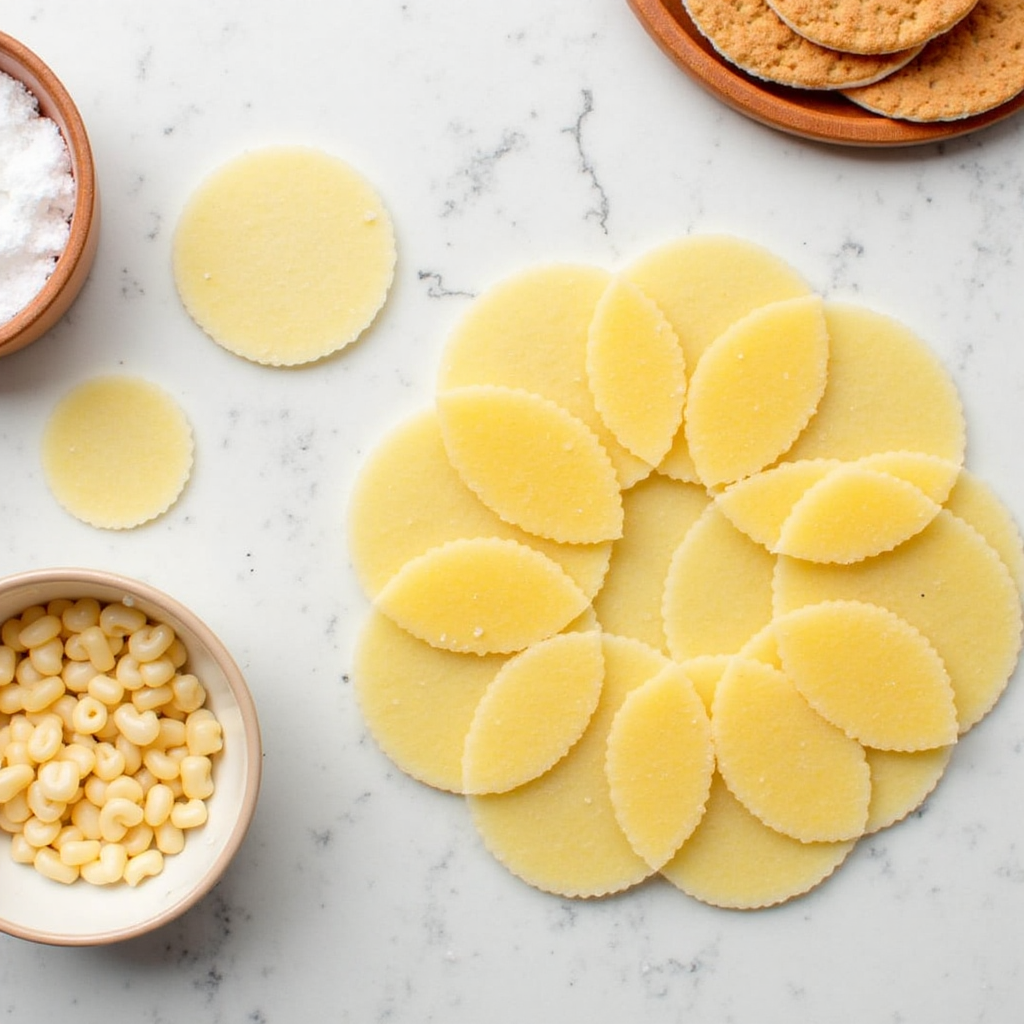
Beeswax wraps are a natural, reusable, and biodegradable way to store food. Made from cotton cloth coated with beeswax, jojoba oil, and tree resin, these wraps are designed to be a sustainable alternative to plastic cling film. They work by creating a seal around food items, keeping them fresh and protected from air and moisture. Beeswax wraps are often sold in sets and come in various sizes and patterns, making them not only functional but also stylish.
Cling film, on the other hand, is a synthetic plastic material that has been a staple in kitchens for decades. It is made from petroleum-based polymers and is designed to stretch and adhere to surfaces, providing an airtight seal. Cling film is known for its convenience and versatility, as it can be used to wrap a wide range of food items, from leftovers to fresh produce. However, its environmental impact has become a significant concern in recent years.
How Beeswax Wraps Work
Beeswax wraps function by using the natural properties of beeswax to create a protective barrier around food. The beeswax coating is warm and pliable, allowing the wrap to mold around bowls, plates, or food items. When washed and cared for properly, beeswax wraps can be reused multiple times, making them a cost-effective and sustainable choice. They are also compostable at the end of their life, breaking down naturally without harming the environment.
How Cling Film Works
Cling film works by stretching over food or containers, creating a tight seal that prevents air and moisture from spoiling the contents. Its synthetic nature allows it to adhere to various surfaces, making it ideal for covering irregularly shaped items. However, cling film is typically single-use, contributing to the growing problem of plastic waste. Once discarded, it can take hundreds of years to decompose, leaving a lasting impact on our planet.
Environmental Impact: Beeswax Wraps vs Cling Film
One of the most significant differences between beeswax wraps and cling film lies in their environmental impact. Beeswax wraps are made from natural, renewable materials, and they are fully biodegradable. This means that at the end of their lifecycle, they can be composted and will break down harmlessly in the environment. In contrast, cling film is made from non-renewable resources and is not biodegradable. It contributes to the vast amounts of plastic waste that end up in landfills, oceans, and other ecosystems, causing harm to wildlife and ecosystems.
Carbon Footprint
Beeswax wraps have a lower carbon footprint compared to cling film. The production process of beeswax wraps is less energy-intensive and relies on natural ingredients, whereas cling film production involves the extraction and processing of petroleum, which is a fossil fuel and a major contributor to greenhouse gas emissions. By choosing beeswax wraps, you can significantly reduce your carbon footprint and support a more sustainable lifestyle.
Plastic Waste Reduction
Using beeswax wraps instead of cling film helps reduce plastic waste. According to recent studies, plastic waste has reached alarming levels, with millions of tons of plastic ending up in the oceans each year. Beeswax wraps offer a practical and eco-friendly solution to this problem, as they are reusable and biodegradable. Cling film, being a single-use product, encourages the throwaway culture that is harming our planet.
Usability and Convenience
While beeswax wraps are an excellent sustainable option, they do have some limitations compared to cling film. For instance, beeswax wraps are not as stretchy as cling film, which means they may not be suitable for all types of food storage. However, they are ideal for covering bowls, plates, and snacks, as well as wrapping sandwiches and other items. Cling film, on the other hand, is highly versatile and can be used for a wide range of food items, including irregularly shaped fruits and vegetables.
Reusability
One of the biggest advantages of beeswax wraps is their reusability. With proper care, they can be washed and reused multiple times, making them a cost-effective and sustainable choice in the long run. Cling film, however, is typically single-use, meaning you have to throw it away after one use. This not only contributes to plastic waste but also means you will need to purchase more cling film over time, which can add up in cost and environmental impact.
Storage and Shelf Life
Beeswax wraps can help extend the shelf life of certain foods, such as fruits, vegetables, and cheese. They create a barrier that prevents air and moisture from spoiling the food, keeping it fresh for longer. However, they may not be as effective for storing wet or sticky items, as the beeswax can become contaminated and affect the wrap’s performance. Cling film, on the other hand, is highly effective at sealing in moisture and keeping food fresh, making it a popular choice for storing a variety of items, including raw meats, cooked dishes, and leftovers.
Cost Comparison
When considering the cost of beeswax wraps versus cling film, it’s important to look at both the initial purchase price and the long-term costs. Beeswax wraps are generally more expensive upfront, but they can save you money over time due to their reusability. A set of beeswax wraps can cost anywhere from $20 to $50, depending on the size and quality. Cling film, on the other hand, is much cheaper, with a roll costing around $5 to $10. However, the cost of cling film adds up quickly if you use it frequently, as you will need to purchase new rolls regularly.
Initial Investment vs Long-Term Savings
Beeswax wraps require a higher initial investment, but they can save you money in the long run. For example, if you use cling film once a week for a year, you would need to purchase multiple rolls, which can add up to $40 or more. In contrast, a set of beeswax wraps can last for several months with proper care, making them a more economical choice over time. Additionally, beeswax wraps can be washed and reused, reducing the need for frequent purchases and lowering your overall waste.
Disposal Costs
Another factor to consider is the cost of disposal. Beeswax wraps are biodegradable, so they can be composted or recycled without additional costs or environmental harm. Cling film, however, is not biodegradable and often ends up in landfills, where it can take hundreds of years to decompose. This not only contributes to the pollution of our environment but also requires additional resources for waste management, which can be costly and inefficient.
Health and Safety
Both beeswax wraps and cling film have their own set of health and safety considerations. Beeswax wraps are made from natural materials, which means they are free from harmful chemicals. They are also safe to use with food, as the beeswax coating is food-grade and does not leach harmful substances into your meals. Cling film, on the other hand, is made from synthetic materials that can potentially release microplastics when heated or exposed to certain conditions. While this is still a topic of debate, it’s a concern that many eco-conscious consumers are taking seriously.
Food Safety
When it comes to food safety, both beeswax wraps and cling film have their pros and cons. Beeswax wraps are naturally antimicrobial, which means they can help prevent the growth of bacteria on certain foods. They are also free from BPA and other harmful chemicals, making them a safer choice for storing food. Cling film, while effective at sealing in freshness, can potentially transfer microplastics to your food, especially when used in the microwave or with hot items. This has led some consumers to question its safety, especially for children and pregnant women.
Allergies and Sensitivities
Some people may have allergies or sensitivities to beeswax, which could make beeswax wraps unsuitable for them. If you have a bee allergy, it’s important to use caution when handling beeswax wraps, as they contain traces of bee products. Cling film, while synthetic, is generally considered safe for most people, but its environmental impact and potential chemical leaching are still concerns for many.
Conclusion
In the battle between beeswax wraps and cling film, there is no clear winner. Each product has its own set of advantages and disadvantages, and the best choice for you depends on your priorities and needs. If you are looking for a sustainable, eco-friendly alternative to cling film, beeswax wraps are an excellent choice. They are reusable, biodegradable, and free from harmful chemicals, making them a healthier and more responsible option for food storage.
However, if convenience and versatility are your top priorities, cling film may still be the better option. It is highly effective at sealing in freshness and can be used for a wide range of food items. But it’s important to remember the environmental impact of cling film and consider reducing its use whenever possible.
Ultimately, the best approach is to use a combination of both products. Reserve cling film for situations where it is truly necessary, such as storing wet or sticky items, and use beeswax wraps for other food storage needs. By doing so, you can minimize your environmental impact while still enjoying the convenience of modern food storage solutions.