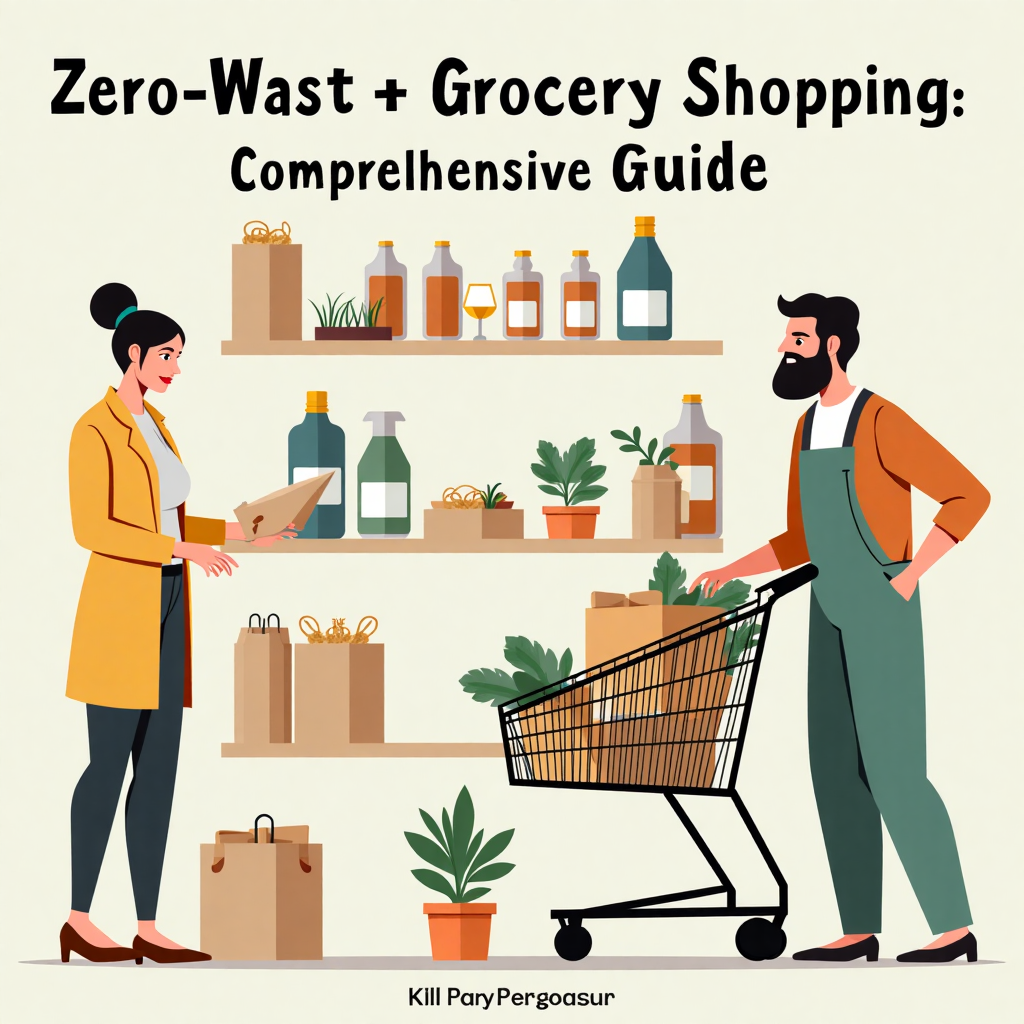
As the world becomes increasingly aware of the environmental impact of consumer habits, zero-waste grocery shopping has emerged as a powerful movement to reduce unnecessary packaging and promote sustainability. This approach encourages individuals to purchase only what they need, often in bulk, and to avoid single-use plastics and other wasteful materials. Whether you’re a seasoned eco-warrior or just starting your journey toward a more sustainable lifestyle, zero-waste grocery shopping is a simple yet effective way to make a difference. In this article, we’ll explore the ins and outs of this practice, offering tips, strategies, and insights to help you embrace a zero-waste lifestyle.
Understanding the Importance of Zero-Waste Grocery Shopping
Zero-waste grocery shopping is not just about bringing your own bags to the store; it’s a holistic approach to reducing the environmental footprint of your food consumption. Every year, millions of tons of plastic waste are generated from packaging, much of which ends up in landfills or our oceans. By choosing to shop with a zero-waste mindset, you can significantly cut down on this waste and contribute to a healthier planet.
The benefits of zero-waste shopping extend beyond environmental conservation. It often leads to healthier eating habits, as you’re more likely to focus on fresh, whole foods rather than pre-packaged, processed items. Additionally, shopping in bulk can save you money in the long run, especially for staple items like grains, nuts, and dry goods. This practice also supports local businesses and sustainable brands that prioritize eco-friendly packaging and ethical sourcing.
How Zero-Waste Shopping Reduces Environmental Impact
One of the primary goals of zero-waste grocery shopping is to minimize the amount of packaging that ends up as waste. This is achieved by avoiding single-use plastics, opting for reusable containers, and purchasing items in bulk. By doing so, you reduce the demand for excessive packaging, which in turn reduces the resources used in production and the pollution generated during disposal. Here are some key ways zero-waste shopping helps the environment:
- Reduces Plastic Waste: Single-use plastics are a major contributor to environmental pollution. Zero-waste shopping eliminates the need for these by using reusable containers.
- Conserves Resources: Less packaging means fewer materials are used in production, conserving natural resources like oil, water, and trees.
- Supports Circular Economy: By reusing containers and supporting brands that use recyclable or compostable packaging, you contribute to a circular economy where waste is minimized and resources are reused.
Getting Started with Zero-Waste Grocery Shopping
Transitioning to zero-waste grocery shopping can seem daunting at first, but with the right preparation and mindset, it becomes a seamless part of your routine. The key is to plan ahead and familiarize yourself with the tools and strategies that make this practice effective.
1. Plan Your Meals and Shopping List
Before heading to the store, take some time to plan your meals for the week. This helps you buy only what you need, reducing the likelihood of food waste. Create a detailed shopping list that includes quantities, so you can purchase exact amounts and avoid overbuying. Meal prepping is also a great way to ensure you use all the food you purchase, preventing it from going bad unused.
When planning, consider the items you can buy in bulk or without packaging. For example, grains, nuts, seeds, and dry goods are often available in bulk sections of grocery stores. Vegetables and fruits can be purchased loose, avoiding pre-packaged options. By focusing on these items, you can significantly reduce your waste while maintaining a balanced diet.
2. Research Zero-Waste Stores Near You
Not all grocery stores are created equal when it comes to zero-waste shopping. Some stores have dedicated bulk sections, while others offer refill stations for household products. Do a quick search online to find zero-waste stores or eco-friendly grocery options in your area. These stores often provide a wide range of unpackaged or minimally packaged products, making it easier to adopt this lifestyle.
If there are no zero-waste stores nearby, don’t worry! Many conventional grocery stores have bulk sections where you can purchase items like rice, beans, and pasta. You can also bring your own containers to the store and ask for staff assistance in measuring and weighing your purchases. This approach not only reduces waste but also supports the store’s efforts to be more eco-friendly.
3. Invest in Reusable Containers and Bags
To make zero-waste grocery shopping successful, you’ll need the right tools. Invest in a set of reusable containers, such as glass jars or cloth bags, to carry your bulk purchases. These containers are durable, easy to clean, and can be used repeatedly, reducing the need for single-use packaging. Additionally, use reusable produce bags for fruits and vegetables, and a sturdy tote or backpack for carrying your groceries home.
Consider the types of containers you’ll need based on the items you purchase. For example, glass jars are perfect for dry goods like oats or nuts, while cloth bags are ideal for bulk items like grains or legumes. Having a variety of sizes ensures you can measure and transport your purchases efficiently.
Tips for Successful Zero-Waste Grocery Shopping
Once you’ve planned your meals, researched stores, and gathered your reusable containers, it’s time to put your zero-waste shopping skills into action. Here are some practical tips to help you navigate this process smoothly:
1. Shop in Bulk Whenever Possible
Bulk shopping is a cornerstone of zero-waste grocery shopping. It allows you to purchase only the amount you need, reducing both food waste and packaging waste. Before heading to the store, weigh your reusable containers so you can accurately measure your purchases. Many stores have scales that let you pour the exact amount you need into your container, ensuring you don’t overbuy.
When shopping in bulk, focus on items that have a long shelf life, such as grains, nuts, seeds, and spices. These are perfect for buying in larger quantities and storing at home. Avoid bulk purchases of perishable items unless you have a clear plan for using them, as this can lead to food waste.
2. Choose Seasonal and Local Produce
Seasonal and local produce not only tastes better but also reduces the environmental impact of transportation and storage. By selecting fruits and vegetables that are in season, you support local farmers and reduce the carbon footprint associated with your grocery shopping. Plus, buying in season often means you get fresher, more flavorful food, which encourages healthier eating habits.
When purchasing produce, opt for loose items rather than pre-packaged ones. Bring your own cloth bags to carry fruits and vegetables, and avoid using plastic bags provided by the store. If you’re unsure how to store certain items, don’t hesitate to ask the staff for tips—they often have knowledge about preserving food to reduce waste.
3. Avoid Single-Use Plastics
Single-use plastics are one of the biggest culprits when it comes to waste in the grocery store. Be mindful of items like plastic-wrapped snacks, bottled water, and pre-packaged salads. Instead, look for alternatives that come in minimal or recyclable packaging. For example, choose paper-wrapped snacks or glass-bottled beverages whenever possible.
Another way to avoid single-use plastics is to bring your own containers for deli items, such as cheese, meat, or prepared foods. Many stores are happy to accommodate this request, as it aligns with their sustainability goals. If they’re hesitant, you can always suggest the idea—they might not have considered it before!
Overcoming Challenges in Zero-Waste Grocery Shopping
While zero-waste grocery shopping is a rewarding practice, it does come with its challenges. From finding the right stores to managing storage at home, there are several hurdles to overcome. Here’s how you can address them:
1. Storage Solutions
One of the most common challenges is figuring out how to store bulk items properly at home. Invest in airtight containers to keep grains, nuts, and other dry goods fresh for longer. Labeling containers with the contents and purchase date can also help you stay organized and avoid duplicates.
For fresh produce, consider using reusable containers or simply storing them in your fridge as they are. Leafy greens can be kept in glass jars with a bit of water, while root vegetables like carrots and potatoes can be stored in breathable cloth bags or baskets.
2. Availability and Accessibility
Not all stores offer bulk options or eco-friendly packaging, which can make zero-waste shopping difficult in some areas. If this is the case where you live, don’t let it discourage you. Start small by focusing on the items you can purchase without packaging and gradually expand your zero-waste habits as more options become available.
If you’re unable to find zero-waste stores nearby, consider shopping at farmer’s markets or local co-ops. These often have unpackaged produce and other items, making them a great alternative for reducing waste.
3. Convenience and Time
Zero-waste shopping can take more time than traditional grocery shopping, especially if you’re visiting multiple stores or markets. However, the benefits far outweigh the inconvenience. To save time, plan your shopping trips strategically and combine them with other errands. You can also shop online for bulk items if your local stores don’t offer them, though be mindful of shipping packaging.
Remember, zero-waste shopping is a journey, not a destination. It’s okay to make mistakes or take small steps. Every effort you make to reduce waste contributes to a larger positive impact.
Conclusion
Zero-waste grocery shopping is a simple yet powerful way to reduce your environmental impact and live a more sustainable lifestyle. By planning your meals, investing in reusable containers, and being mindful of the products you purchase, you can significantly cut down on waste while enjoying fresh, healthy food. While it may take some time to adjust to this new way of shopping, the benefits—both for the planet and your personal well-being—are well worth the effort. Start small, stay committed, and remember that every small change adds up to make a big difference.